Orangeburg 1968: Photographer focuses on museum
By: TAHJE PRIOLEAU
Feb 20, 2026
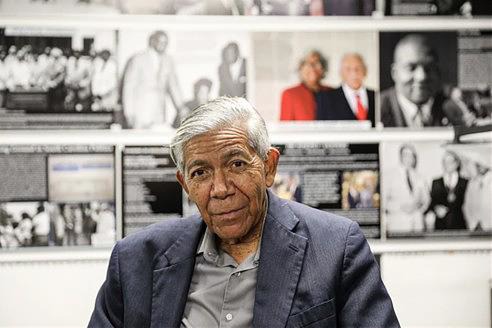
Cecil Williams (NBC News)
A photographer who chronicled events surrounding the 1968 Orangeburg Massacre spoke with students to share firsthand accounts of the tragedy and discuss plans for South Carolina’s first civil rights museum in Orangeburg.
Cecil Williams, a 1960 alumnus of Claflin University who today is known internationally for his work during the civil rights era, spoke to mass communications students about Feb. 8, 1968, when nine highway patrolmen opened fire on unarmed student protesters at S.C. State, killing three young men -- Samuel Hammond Jr., Delano Middleton and Henry Smith -- and injuring at least 28 others.
The discussion came as the community marked the 58th anniversary of the tragedy known as the Orangeburg Massacre. On Sunday, Feb. 8, 2026, Williams was honored with a Social Justice Award during the official commemoration ceremony at S.C. State.
Williams clarified that the shooting did not take place at the segregated All-Star Bowling Lanes, as often misunderstood, but on the campus of South Carolina State University near the front entrance along Magnolia Street.
“They had no idea in the world that police officers would come onto a college campus and shoot students,” Williams said.
He described the events leading up to the shooting, including student protests against the bowling alley’s refusal to welcome Black patrons and escalating tensions between students and law enforcement over the course of several nights before Feb. 8.
Williams said there were approximately 30 highway patrolmen present that night, but only nine fired their weapons.
“In my opinion, that tells you there have always been more good people,” he said.
Williams discussed his efforts to establish a permanent civil rights museum in the heart of Orangeburg. The museum will house original shotgun shells recovered from the scene, photographs from the night of the shooting and other artifacts collected over decades.
The new facility, expected to open in late March off of Boulevard and Russell streets, aims to attract tourism while honoring the victims and preserving South Carolina’s civil rights history.
“We must tell these stores,” Williams said. “They should be known.”